Interview: Paul Orlando in Beta Boom
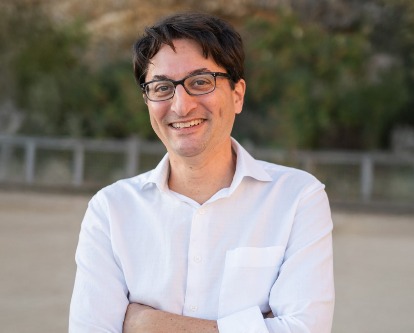
Orlando explains how he and the Greif Incubator support founders at USC Marshall.
Dean’s Dialogue: SpaceX CFO Bret Johnsen on Space Innovation and the Trojan Network
Dean Geoffrey Garrett and Bret Johnsen discuss SpaceX innovations and Trojan connections.
[USC Photo / David Sprague]
RELATED
Interview: Paul Orlando in Beta Boom
Orlando explains how he and the Greif Incubator support founders at USC Marshall.
Marshall Faculty Publications, Awards, and Honors: November 2025
We are proud to highlight the many accomplishments of Marshall’s exceptional faculty recognized for recently accepted and published research and achievements in their field.
Quoted: Nick Vyas in ABC7
In the wake of a major cargo spill and massive container ship fire, Vyas explains how early shipment of goods helped Los Angeles and Long Beach ports absorb the supply chain shock.
Forbes 30 Under 30 Entrepreneur Shares His Journey from Business School to Startup Success
Bobby Pinckney ’20 is creating impact with innovative technological ventures and inspiring new Trojans to shape the future.
Interview: Marco Aponte-Moreno in KCBS
Aponte-Moreno discusses the tense situation between the United States and Venezuela and the prospect of a possible regime change in the South American country.