

The Driverless Future is Coming. Will a Safety Net Follow?
With the rise of driverless cars like Waymo, Assistant Professor Georgios Petropoulos analyzes how legislation could provide a safety net for workers impacted by the growing market.
Human Leadership
Why Marshall: Human Leadership
The pace of technological change, globalization, and heightened stakeholder expectations have vastly expanded the business world’s definition of leadership. Through our innovative teaching practices and educational programs, we train 21st century business leaders to take full advantage of the endless opportunities made possible by technological progress while also managing its far-reaching social consequences.
To embrace the broader implications of innovation, we must imbue future business leaders with a deep appreciation of their ethical responsibilities, the great value of inclusion throughout society, and the ever-expanding societal responsibilities of business.
Prioritizing Ethics and Responsibility
USC Marshall students and faculty share their thoughts on the importance of respecting and regarding societal responsibilities. "Those who do the right thing — those who conduct business with integrity — build a reputation and ultimately in the long term are always more successful," Joe Ucuzoglu '97, CEO Deloitte US.
INSTITUTES + CENTERS
Marshall’s Institutes and Centers are dedicated to business innovation and understanding the implications of that innovation on individuals, organizations, and society.
The Brittingham Social Enterprise Lab (BSEL) is a Center of Excellence at the USC Marshall School of Business building an ecosystem of students and professionals equipped with the business skills and resources to advance market-based approaches to pressing societal issues. Through education, community building, research, professional development, and narrative change, the Lab is a nucleus for social impact at Marshall, USC, and beyond.
Founded in 1979, the Center for Effective Organizations (CEO) brings over 40+ years of experience in conducting cutting-edge research and helping forward thinking leaders and companies bridge research and practice to solve complex organizational effectiveness challenges.
The continued and rapid growth of E-commerce has generated questions about the consequences for society, business, and the global economy. The USC Marshall Initiative on Digital Competition, which started in January 2021, aims to discover insights on these questions through a collaboration of industry practitioners and academics from business disciplines as well as non-business disciplines (e.g., computer science, economics, law, communications); and disseminate these insights to a broad set of audiences that includes academics, business leaders, and the public.
Today's leaders are burdened with ever-growing expectations and dilemmas. The Neely Center for Ethical Leadership and Decision Making provides leaders with tools at the intersection of ethics and technology so they can make wise decisions for their organizations while feeling confident about the future. In so doing, we aim to help solve what we believe to be the most difficult, but most important, challenge of our time – how to align emerging technologies with ethical, human-centered values.
The Global Leadership Program (GLP) is an invitation-only year-long Freshman Leadership Seminar with opportunities for social activities, networking, advising, and a trip to Shanghai or Beijing during spring break.
The GLP is a groundbreaking program open by invitation only to the most academically talented students in each incoming freshmen class. GLP consists of a fall and spring course, BUAD 101 Freshman Leadership Seminar, as well as outside opportunities for social activities, networking, and advising. The experience is capped off with a visit to Shanghai or Beijing during spring break. During the trip, students meet with executives from some of the top companies in Asia and local and national government officials. In their latter years, GLP Alumni have the opportunity to plan events and mentor younger students while continuing to travel abroad to learn about the global impact of business.
NEWS + EVENTS
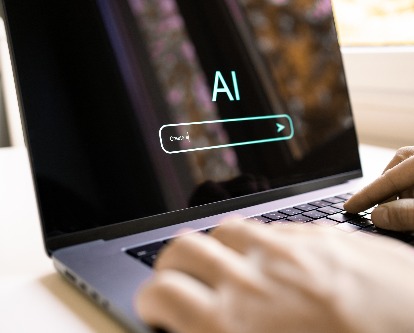
The Driverless Future is Coming. Will a Safety Net Follow?
With the rise of driverless cars like Waymo, Assistant Professor Georgios Petropoulos analyzes how legislation could provide a safety net for workers impacted by the growing market.
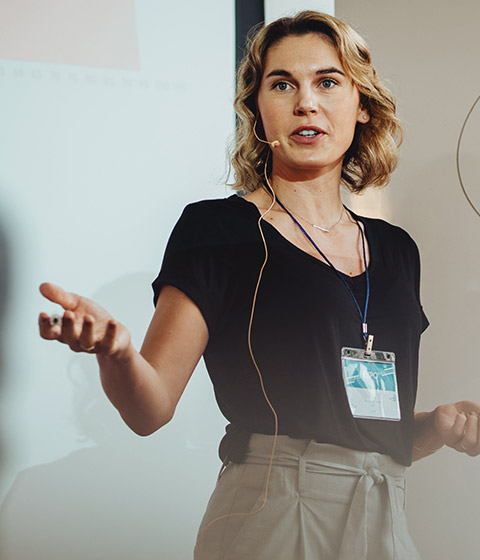
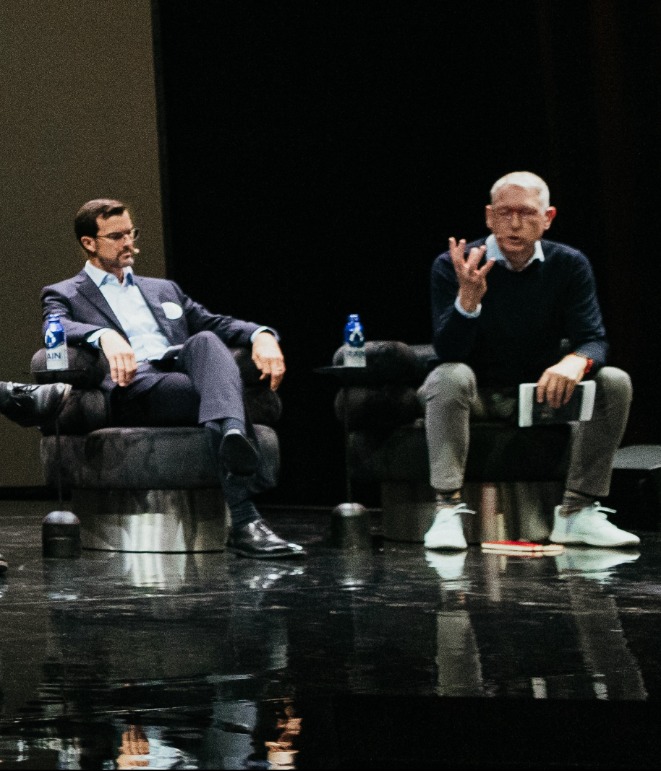
How to Talk with Your Hands
New research led by USC Marshall’s Luca Cascio Rizzo reveals that gestures that visually represent what speakers say help audiences perceive them as more competent and persuasive.
Study Finds Power Shifts at Work Can Boost Employee Energy and Productivity
New research shows natural ups and downs of workplace influence can sharpen focus, fuel motivation, and support goal pursuit.
USC’s Inaugural AI Summit Explores the Impact of AI at the Intersection of Business, Research, Creativity, and Ethical leadership
Through thought-provoking conversations with tech leaders and innovative research presentations, the summit explored AI’s impact on wide-ranging fields and announced USC’s plans to bring ChatGPT Edu to the community.
Knight Foundation and USC Marshall Commit $4 Million to Advance Purpose-Driven AI Research
The research initiative aims to create ethical, human-forward outcomes for cutting-edge technology like AI.
INSIGHT + ANALYSIS
Interview: Christopher Jones on AirTalk
Jones explains how lawmakers may approach regulating prediction gambling markets, which offer high risk bets on everything from the stock market to world events.
Quoted: Nathanael Fast in BBC
Fast explains that Australia's social media ban for children under 16 could be a proof of concept for other countries to do the same.
Op-Ed: Luca Cascio Rizzo in Fast Company
Cascio Rizzo explains how his research links purposeful hand gestures with perceptions of competence.
Quoted: Cheryl Wakslak in Fast Company
Wakslak explains how exclamation point usage in emails doesn’t affect perceptions of confidence, contrasting with researchers’ assumptions.
Op-Ed: Giovanni Luca Cascio Rizzo in the Independent
Referencing his research, Rizzo writes how hand gestures give people a visual shortcut to a speaker's meaning.