Interview: Stephen Lind on CKNW-AM (Vancouver, B.C.)
LIND, associate professor of clinical business communication, chats with Canada's Mornings with Simi about the beloved "A Charlie Brown Christmas" special.
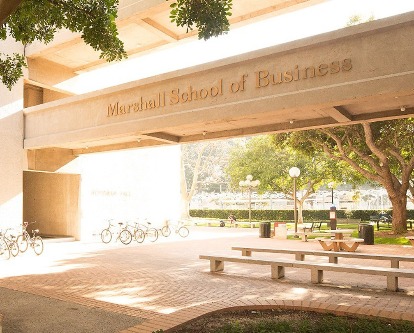
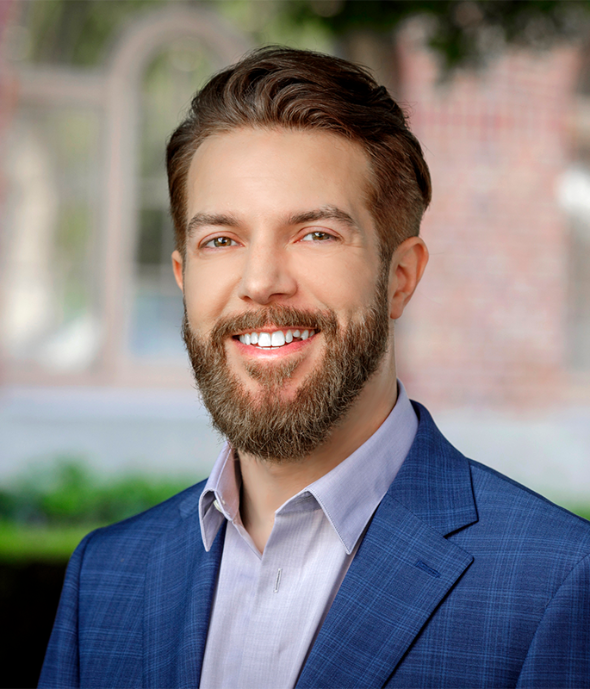
Stephen Lind is the Department Chair and Professor of Clinical Business Communication at the USC Marshall School of Business, where he teaches courses in strategic messaging, communication technology, consulting, and professional speaking and writing.
An award-winning educator, Prof. Lind has received both the Marshall Teaching Excellence Award and the Golden Apple Teaching Award. He teaches across Marshall’s undergraduate and graduate programs, as well as global and pre-college experiences.
His research focuses on business communication technology, including the use of synthetic human spokespersons (AI-generated avatars), video-based communication, and messaging in entertainment commerce. He is the author of A Charlie Brown Religion. Before joining USC, Dr. Lind was recruited to build the business communication initiative at Washington and Lee University. He earned his PhD with distinction from Clemson University.
Outside of academia, Dr. Lind runs BizComm Ally, a consulting firm that supports organizations ranging from multinational corporations to local entrepreneurs. He also contributes to international diplomacy initiatives through work with the U.S. Department of State.
INSIGHT + ANALYSIS
Interview: Stephen Lind on CKNW-AM (Vancouver, B.C.)
LIND, associate professor of clinical business communication, chats with Canada's Mornings with Simi about the beloved "A Charlie Brown Christmas" special.
Quoted: Stephen Lind in Business Insider
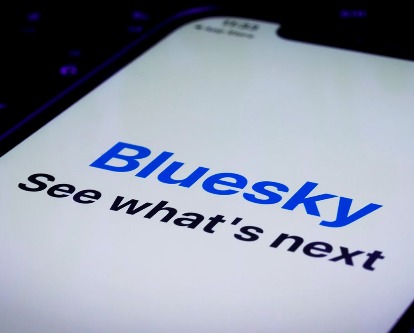
With Bluesky soaring LIND, associate professor of clinical business communication, tells Business Insider the new digital platform provides a compelling alternative to X, especially for users who don't appreciate Musk's approach to social media.
NEWS + EVENTS
Marshall Faculty Publications, Awards, and Honors: August 2026
We are proud to highlight the many accomplishments of Marshall’s exceptional faculty recognized for recently accepted and published research and achievements in their field.
USC Marshall Honors Faculty and Staff Excellence
At the 2026 Faculty and Staff Awards, the Marshall community recognized colleagues for their leadership, mentorship, and excellence in teaching and research.
Marshall Faculty Publications, Awards, and Honors: October 2025
We are proud to highlight the many accomplishments of Marshall’s exceptional faculty recognized for recently accepted and published research and achievements in their field.
USC Marshall in the Media: December 2024
USC Marshall School of Business faculty are featured in national and regional publications as thought leaders and experts in their fields.
Marshall Faculty Publications, Awards, and Honors: October 2024
We are proud to highlight the many accomplishments of Marshall’s exceptional faculty recognized for recently accepted and published research and achievements in their field.
Faculty and Staff Awards Honor Stand-Out Members of Marshall School
The Marshall community recognized their fellow faculty and staff for leadership, inclusivity, and excellence in teaching and research.
2024 Golden Apple and Golden Compass Awards
These faculty and staff members were recognized by students for their impact in the Marshall community.
Faculty Award Winners, 2005-Present
A comprehensive list of all Faculty Award recipients from 2005 to present.
Marshall Faculty Recognized for Teaching Excellence
Faculty recognized for exceptional teaching are honored with excellence awards and endowed teaching chair positions.
Marshall Faculty Publications, Awards, and Honors: May 2023 and Year-End Roundup
We are thrilled to congratulate our faculty on recently accepted and published research, 2022-2023 teaching and research awards, and new chair appointments.
AWARDS
COURSES